What is Somatic Experiencing?
Somatic Experiencing (SE) is a form of alternative therapy aimed at treating trauma and stress-related disorders, such as post-traumatic stress disorder (PTSD). The primary goal of SE is to modify the trauma-related stress response through bottom-up processing, directing the client’s attention toward internal sensations (interoception, proprioception, and kinaesthesis) rather than cognitive or emotional experiences. Unlike conventional talk therapy or exposure-based approaches, Somatic Experiencing works with the premise that trauma is stored in the body’s nervous system as incomplete biological responses—fight, flight, or freeze reactions that were thwarted during overwhelming events.
The method rests on the observation that trauma symptoms arise not solely from the event itself but from the body’s inability to complete and discharge the mobilized survival energy. SE is not a form of exposure therapy; it specifically avoids direct and intense evocation of traumatic memories, instead approaching the charged memories indirectly and very gradually. Practitioners guide clients to develop tolerance for difficult bodily sensations while facilitating the completion of defensive responses that were interrupted during traumatic experiences.
Origins & Lineage
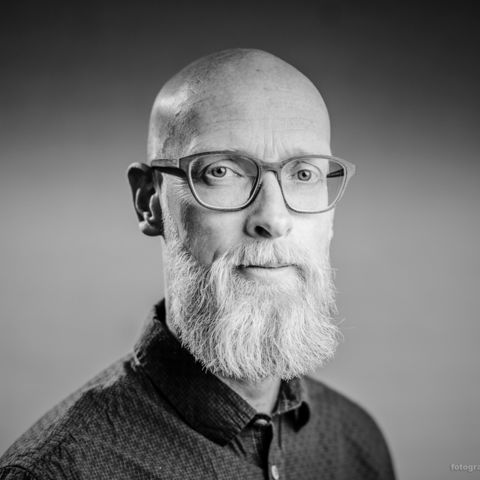
Peter A. Levine developed the method. Founded in 1972 by Dr. Peter A Levine, the Ergos Institute of Somatic Education is dedicated to advancing Somatic Experiencing principles. Levine holds a doctorate in medical biophysics from the University of California, Berkeley, and a doctorate in psychology from International University. Somatic Experiencing was first developed in the 1970s by psychologist Peter Levine.
Somatic Experiencing is heavily predicated on psychoanalyst Wilhelm Reich’s theories of blocked emotion and how emotion is held and released from the body; the concept can be traced to Wilhelm Reich, the father of somatic psychotherapy. Charlotte Selver greatly influenced Peter Levine’s work and the development of fine somatic tracking; Selver taught thousands of Americans her “sensory awareness” method at the Esalen Institute, including Levine.
Levine’s foundational insight emerged from observing animals in the wild. Levine’s approach grew out of his observations of the way animals responded to stressful or life-threatening situations in the wild; he noted that animals can face threats to their survival on a daily basis, and yet don’t appear to become traumatised by these experiences, because animals possess innate biological coping mechanisms that enable them to recover from these events. This led him to investigate why humans, with similar nervous systems, often become stuck in trauma responses.
Founded by Dr. Levine in 1994, Somatic Experiencing International (SEI) is a non-profit training institute located in Boulder, CO. Present in 46 countries, SEI offers an 8-module Somatic Experiencing professional training series that spans approximately 3 years.
How It’s Practiced
SE sessions are typically in-person and involve clients tracking their physical experiences. The practitioner guides the client’s attention to subtle bodily sensations—muscle tension, temperature changes, breathing patterns, trembling, or feelings of expansion and constriction. Sessions proceed slowly and titrate exposure to traumatic material in small, manageable doses.
Techniques include pendulation, titration, grounding, and resourcing. Pendulation involves moving back and forth between sensations of safety and sensations of discomfort, while titration involves breaking down overwhelming experiences into smaller, more manageable parts. Grounding techniques help individuals stay connected to the present moment and their physical surroundings, while resourcing techniques help individuals access positive experiences and emotions.
The therapist observes physiological cues—changes in breathing, skin color, posture, voice tone—while asking the client to notice internal sensations. The Somatic Experiencing approach facilitates the completion of self-protective motor responses and the release of thwarted survival energy bound in the body; this is approached by gently guiding clients to develop increasing tolerance for difficult bodily sensations and suppressed emotions and working to complete defensive responses previously thwarted from bringing resolution to the nervous system.
Shaking, trembling, heat, or involuntary movements are considered expressions of the nervous system discharging held energy. The practitioner does not interpret or analyze but tracks and supports the body’s organic unfolding.
Somatic Experiencing Today
Practitioners are often mental health practitioners such as social workers, psychologists, therapists, psychiatrists, Rolfers, Feldenkrais practitioners, yoga and Daoyin therapists, educators, clergy, occupational therapists. SE training is available through Somatic Experiencing International, which offers a three-year professional certification program. The method has spread to more than forty countries.
Seekers encounter Somatic Experiencing through individual therapy sessions with certified SE practitioners, workshops, and retreat settings. Many therapists integrate SE techniques with other modalities including Internal Family Systems, EMDR, and traditional psychotherapy. The approach is used in clinical settings, community health programs, and with first responders and populations affected by natural disasters or collective trauma.
Levine’s key texts include Waking the Tiger: Healing Trauma (1997) and In an Unspoken Voice: How the Body Releases Trauma and Restores Goodness (2010), both widely read introductions to the method’s theory and practice.
Common Misconceptions
Somatic Experiencing is not massage, bodywork, or physical manipulation. While it is body-based, it primarily works through attention and awareness rather than touch. Some practitioners use minimal touch to support grounding, but the core intervention is directing awareness to internal sensation.
It is not exposure therapy. SE “avoids direct and intense evocation of traumatic memories, instead approaching the charged memories indirectly and very gradually.” Clients are not asked to recount trauma narratives in detail or immerse themselves in distressing memories.
Somatic Experiencing is not exclusively for severe trauma. While developed for PTSD treatment, the method addresses a range of stress-related conditions including chronic pain, anxiety, depression, and nervous system dysregulation from developmental or relational wounds.
The evidence base remains limited. While case studies and pilot research suggest promise, large-scale clinical trials are scarce, and the method is classified as alternative therapy rather than empirically validated treatment.
How to Begin
For those seeking what Somatic Experiencing is for beginners, the most accessible entry point is Peter Levine’s book Waking the Tiger: Healing Trauma, which explains the theoretical foundation and includes self-help exercises. Trauma and Memory (co-authored with Maggie Kline) offers additional practical guidance.
To experience the work directly, locate a certified SE practitioner through the Somatic Experiencing International directory at traumahealing.org. Practitioners complete extensive training and can adapt sessions for various populations including children, first responders, and those with complex trauma histories.
Introductory workshops and webinars offered through the Ergos Institute and SE International provide experiential tastes of the method. Many practitioners offer initial consultations to determine fit, as the body-centered focus may not suit everyone’s preferred therapeutic style.