The Art of Transformation: Embracing the Ego's Demise
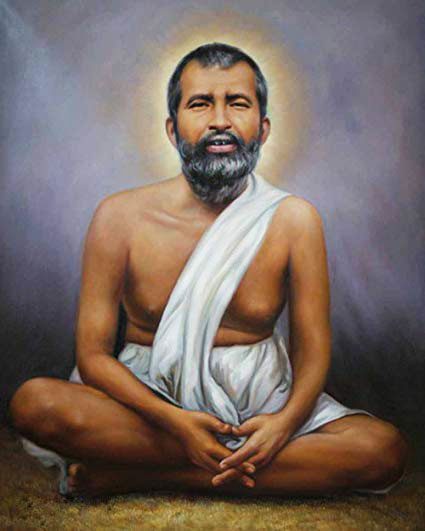
In the profound words of Sri Ramakrishna, "The supreme art is to break the ego without destroying the person." This statement encapsulates a delicate balance between the necessity of dismantling the ego—often seen as the source of our suffering—and the preservation of our essential self. The stakes are high; in a world where the ego often masquerades as our identity, understanding how to navigate this terrain is crucial for spiritual awakening and personal growth.
To break the ego without destroying the person suggests a transformative process that requires both wisdom and compassion. It invites us to explore the layers of our identity, discerning which aspects serve our highest good and which merely perpetuate illusions of separation and superiority. This journey is not merely an intellectual exercise; it is a deeply felt experience that can lead to profound insights and a more authentic way of being in the world.
The image / the metaphor
The imagery in Sri Ramakrishna's quote evokes a sense of artistry, suggesting that the process of ego dissolution is akin to a skilled artist shaping clay. The verbs "break" and "destroy" carry significant weight; to break implies a gentle yet firm action, while to destroy connotes a violent eradication. This distinction is essential, as it highlights the need for a nuanced approach to the ego—one that allows for growth and transformation rather than annihilation.
In the speaker's tradition
Within the rich tapestry of Hindu philosophy, Sri Ramakrishna's teaching resonates with several key concepts, including dharma, kenosis, and bhakti. Dharma, or the moral order of the universe, invites us to align our actions with our higher purpose, often requiring a relinquishing of the ego's demands. Kenosis, the act of self-emptying, parallels the idea of breaking the ego, suggesting that true fulfillment comes from surrendering our attachments and desires to a greater reality.
Moreover, the notion of sunyata, or emptiness, found in Buddhist thought, complements this understanding by emphasizing the illusory nature of the self. In the Bhagavad Gita, Krishna speaks of the importance of selfless action, urging Arjuna to perform his duty without attachment to the fruits of his labor. This echoes Ramakrishna's sentiment, as both teachings advocate for a path that transcends the ego while nurturing the essence of our being.
Living the teaching
Consider a modern scenario where this teaching might resonate: a workplace conflict where ego-driven competition leads to tension and misunderstanding. In such a situation, breaking the ego could involve recognizing the underlying motivations that fuel our reactions—fear of inadequacy, desire for recognition, or the need to assert dominance. By consciously choosing to step back and approach the situation with humility and openness, we can foster collaboration and understanding, ultimately transforming the dynamic into one of mutual respect and support.
In the realm of personal relationships, the application of this teaching can be equally profound. Imagine a moment of disagreement with a loved one, where the ego's voice urges you to defend your position at all costs. By embracing the wisdom of Ramakrishna, you might instead choose to listen deeply, acknowledging the other person's perspective while gently letting go of your own need to be right. This act of breaking the ego not only preserves the relationship but also deepens the connection, allowing both individuals to grow and evolve together.
A reflection
As we contemplate the essence of Sri Ramakrishna's quote, we are invited to reflect on our own relationship with the ego. What aspects of your identity are you clinging to that may no longer serve you? In what ways can you begin to break these attachments while honoring the person you are becoming? This inquiry opens the door to a transformative journey, one that leads us closer to our authentic selves and the interconnectedness of all beings.