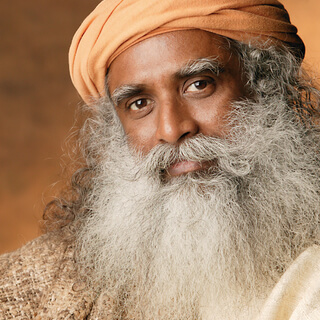
What is a Spiritual Teacher?
A spiritual teacher is an individual who guides others toward spiritual realization, awakening, or deepening connection with the sacred through direct transmission of teachings, practices, and embodied wisdom. Unlike academic instructors who convey theoretical knowledge, spiritual teachers work with the inner transformation of students, often drawing on lineages, contemplative traditions, or direct mystical experience. The relationship between teacher and student (often formalized as guru-disciple, sheikh-murid, or roshi-student) serves as the primary vehicle for transmission, though contemporary spiritual teachers may also work through books, recorded talks, and group intensives.
The role encompasses enormous diversity: a Vedantic monk offering jnana yoga instruction, a Sufi sheikh guiding students through dhikr, a Zen roshi supervising koan practice, a Christian mystic teaching centering prayer, or an indigenous elder transmitting ceremonial knowledge. What unifies these figures is their function as conduits—bridging the aspirant’s ordinary consciousness and the realization they seek.
Origins & Lineage
The figure of the spiritual teacher appears across every major religious and mystical tradition, though the concept of formal lineage transmission crystallized distinctly in different cultures. In the Vedic tradition of India (circa 1500 BCE onward), the guru emerged as essential to spiritual progress, with the Upanishads declaring the necessity of a teacher who has realized Brahman. The Bhagavad Gita presents Krishna as Arjuna’s spiritual teacher, modeling the guru-disciple dynamic that would become foundational to Hinduism.
Buddhism formalized spiritual teaching through the sangha structure, with the Buddha himself serving as the original teacher who set the wheel of dharma in motion around 500 BCE. Tibetan Buddhism developed elaborate lineage systems—Kagyu, Gelug, Sakya, and Nyingma schools each trace unbroken transmission (lung and wang) from teacher to student across centuries. The tulku system identifies reincarnated lamas who resume teaching roles across lifetimes.
In Islamic tradition, Sufism elevated the murshid or sheikh as essential guide through spiritual stations, with figures like Rumi (1207-1273) exemplifying the transformative power of the teacher-student bond. Jewish mysticism produced the tzaddik and rebbe as channels of divine wisdom, particularly within Hasidic communities from the 18th century forward. Christian monasticism developed the spiritual director role, seen in Desert Fathers like Evagrius Ponticus (345-399) and later Carmelite mystics.
How It’s Practiced
Spiritual teaching occurs through multiple modalities, varying by tradition and teacher. The classical model involves extended, often exclusive commitment: the student lives with or near the teacher, receives instruction in meditation, study, and ethical conduct, and undergoes periodic testing or transmission ceremonies. In Zen, this might mean years of zazen under a roshi’s guidance, periodic dokusan (private interviews), and koan study. In Kashmir Shaivism, it involves shaktipat—direct energetic transmission from guru to student.
Contemporary spiritual teachers often blend traditional and modern formats. They may lead weekend retreats combining silence, group meditation, dharma talks, and individual consultations. Some teach primarily through satsang (sitting in truth)—public gatherings where students ask questions and the teacher responds from realized understanding, a format popularized by teachers like Ramana Maharshi (1879-1950) and continued by figures such as Mooji.
The teacher’s role includes diagnosing spiritual obstacles, prescribing practices (whether japa, metta, chod, or contemplative reading), modeling embodied realization, and creating conditions for breakthrough. This may involve confrontation, as in the Zen tradition’s use of the kyosaku (awakening stick), or gentle inquiry common in Advaita Vedanta.
Spiritual Teacher Today
Modern seekers encounter spiritual teachers through diverse channels. Residential retreat centers host visiting teachers for week-long intensives in vipassana, dzogchen, or Christian contemplation. Urban dharma centers offer ongoing classes where a resident teacher guides students through graded instruction. Digital platforms now enable global access to teachings through recorded talks, online satsangs, and subscription-based meditation courses.
The spiritual teacher role has expanded beyond traditional religious contexts. Some teachers work independently of institutional affiliation, synthesizing multiple traditions or teaching from direct experience outside formal lineage. Others hold hybrid roles—combining spiritual teaching with work as an author, speaker, or therapist, though these functions remain distinct. The coach and therapist work with psychological healing and life goals; the spiritual teacher addresses existential questions of identity, consciousness, and ultimate reality.
Contemporary spiritual teaching faces questions of accessibility, authenticity, and cultural appropriation. Can recorded teachings substitute for in-person transmission? What qualifies someone to teach when traditional lineage authorization is absent? How do teachers from one culture responsibly transmit practices to students from another?
Common Misconceptions
A spiritual teacher is not automatically a guru in the traditional sense—a fully realized being who has transcended ego and serves as the embodiment of truth. Many contemporary spiritual teachers are themselves ongoing practitioners who teach from experience and study rather than complete realization. The guru-disciple relationship, which may involve surrender of personal will and devotion bordering on worship, represents one specific model, not the only valid form.
Spiritual teaching is not motivational speaking or life coaching rebranded. While overlap exists in addressing human flourishing, the spiritual teacher specifically points toward non-ordinary states of consciousness, dissolution of fixed identity, and direct experience of the sacred—domains outside the scope of conventional self-improvement.
Not all wisdom tradition holders use “spiritual teacher” as their title. A Tibetan lama, Hasidic rebbe, Sufi wali, or indigenous elder may reject the generic label while performing analogous functions within their specific cultural context. The term “spiritual teacher” often serves as a Western umbrella category that risks flattening important distinctions.
How to Begin
Those seeking a spiritual teacher should first clarify their question or longing. Are you drawn to meditation practice, devotional path, intellectual understanding, or energetic transmission? Your answer suggests direction: Buddhist teachers for meditation and mindfulness, Sufi sheikhs or bhakti teachers for devotional practice, Vedanta teachers for philosophical inquiry.
Begin by reading primary texts and contemporary teachers’ writings to identify resonance. For Buddhist teaching, explore works by Pema Chödrön or Joseph Goldstein. For Advaita Vedanta, read Ramana Maharshi or Nisargadatta Maharaj. For Christian mysticism, study Teresa of Ávila or Thomas Merton. For Sufism, begin with Rumi or contemporary teachers like Llewellyn Vaughan-Lee.
Attend public teachings, retreats, or online satsangs to experience a teacher’s transmission directly. Notice what arises: does the teaching clarify or confuse? Does the teacher embody what they teach? Trust discernment over charisma. Authentic spiritual teaching should increase your capacity for awareness, compassion, and freedom—not dependence on the teacher’s personality.
Many traditions recommend observing a teacher for extended periods before making formal commitment. The Tibetan Buddhist tradition advises examining a potential guru for years. Even in less formal arrangements, rushing into teacher-student relationship risks projection and disillusionment. The right spiritual teacher meets you where you are while pointing toward what you have not yet recognized.


.png)