The Unity of Truth in a World of Diversity
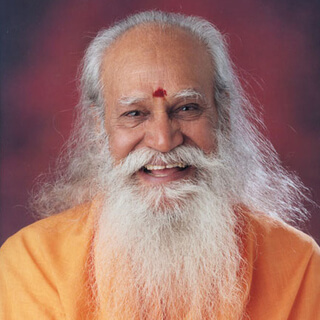
Swami Satchidananda's assertion that "Truth is one. Paths are many" invites us to reflect on the nature of truth and the myriad ways in which it can be approached. This statement serves as a reminder that while the essence of truth remains singular, the human experience of seeking it is rich and varied. In a world often divided by differing beliefs and practices, this perspective encourages a sense of unity and understanding among diverse spiritual paths. Recognizing this can foster compassion and openness, essential qualities for navigating our interconnected lives.
At its core, this quote challenges us to reconsider our assumptions about truth and the ways we pursue it. It suggests that rather than clinging to a singular viewpoint, we might embrace the multiplicity of experiences that lead us toward understanding. This is particularly relevant in contemporary society, where polarization often obscures the common threads that bind us. By acknowledging that many paths can lead to the same truth, we cultivate a deeper appreciation for the richness of human spirituality and the diverse expressions of our shared quest for meaning.
The image / the metaphor
The imagery in Satchidananda's quote evokes a landscape where a singular mountain peak represents truth, while the various trails leading to it symbolize the different spiritual paths individuals may take. The verbs "is" and "are" suggest a definitive quality to truth, while simultaneously acknowledging the fluidity and diversity of human experience. This duality captures the essence of spiritual exploration: the destination is fixed, yet the journey is uniquely personal. Each path, with its own twists and turns, reflects the individual’s background, culture, and life experiences.
Diving deeper into the metaphor, we can envision each path as a distinct journey, rich with its own challenges and revelations. Some paths may be steep and arduous, while others are gentle and meandering. This diversity of experience enriches the collective understanding of truth, as each traveler brings their insights and perspectives. The paths may differ in their practices, rituals, and philosophies, yet they all converge toward the same ultimate truth, suggesting that the journey itself is as valuable as the destination.
In the speaker's tradition
Swami Satchidananda's teachings are rooted in the tradition of integral yoga, which emphasizes the harmonious integration of body, mind, and spirit. This approach aligns with the concept of dharma, or one's personal duty, which varies from person to person based on their unique circumstances and life stages. In this context, the recognition that "Truth is one" speaks to the universal nature of spiritual principles, while "Paths are many" acknowledges the diverse ways individuals can fulfill their dharma. This understanding fosters respect for different spiritual practices, whether they be rooted in bhakti (devotion), jnana (knowledge), or karma (action).
In the context of integral yoga, this quote resonates with the idea of sunyata, or emptiness, which teaches that our perceptions of reality are shaped by our experiences and beliefs. Just as sunyata invites us to see beyond the illusion of separateness, Satchidananda's words encourage us to transcend the boundaries of our individual paths. A relevant text that echoes this sentiment is the Bhagavad Gita, where Krishna emphasizes the importance of following one's own path while recognizing the unity of all beings. This interconnectedness is a cornerstone of integral yoga, inviting practitioners to honor their unique journeys while remaining aware of the shared truth that underlies all existence.
Living the teaching
Consider a modern scenario where this teaching can be applied: in a workplace filled with diverse perspectives and backgrounds. Each colleague may approach problem-solving differently, shaped by their unique experiences and cultural contexts. By embracing the idea that "Truth is one. Paths are many," one can foster an environment of collaboration and respect. Instead of viewing differing opinions as obstacles, they can be seen as opportunities for growth and deeper understanding, ultimately leading to more innovative solutions that reflect a collective truth.
This teaching can also be applied in personal relationships, particularly during conflicts. When disagreements arise, it is easy to become entrenched in one's own viewpoint, believing it to be the only valid perspective. However, by recognizing that each person is on their own path toward truth, we can approach these moments with empathy and curiosity. This shift in mindset allows for open dialogue and the possibility of finding common ground, transforming potential discord into a shared journey toward understanding and connection.
A reflection
As we contemplate the profound wisdom of Swami Satchidananda's quote, we are invited to ask ourselves: How can I honor the diverse paths of others while remaining true to my own journey? This question encourages introspection and invites us to explore the ways in which we can cultivate compassion and understanding in our interactions with others. By embracing the unity of truth amidst the diversity of paths, we can deepen our spiritual practice and enrich our connections with those around us.



Join the BrightStar Community
Stay connected with daily inspiration, event announcements, and community wisdom