What is Singer Songwriter?
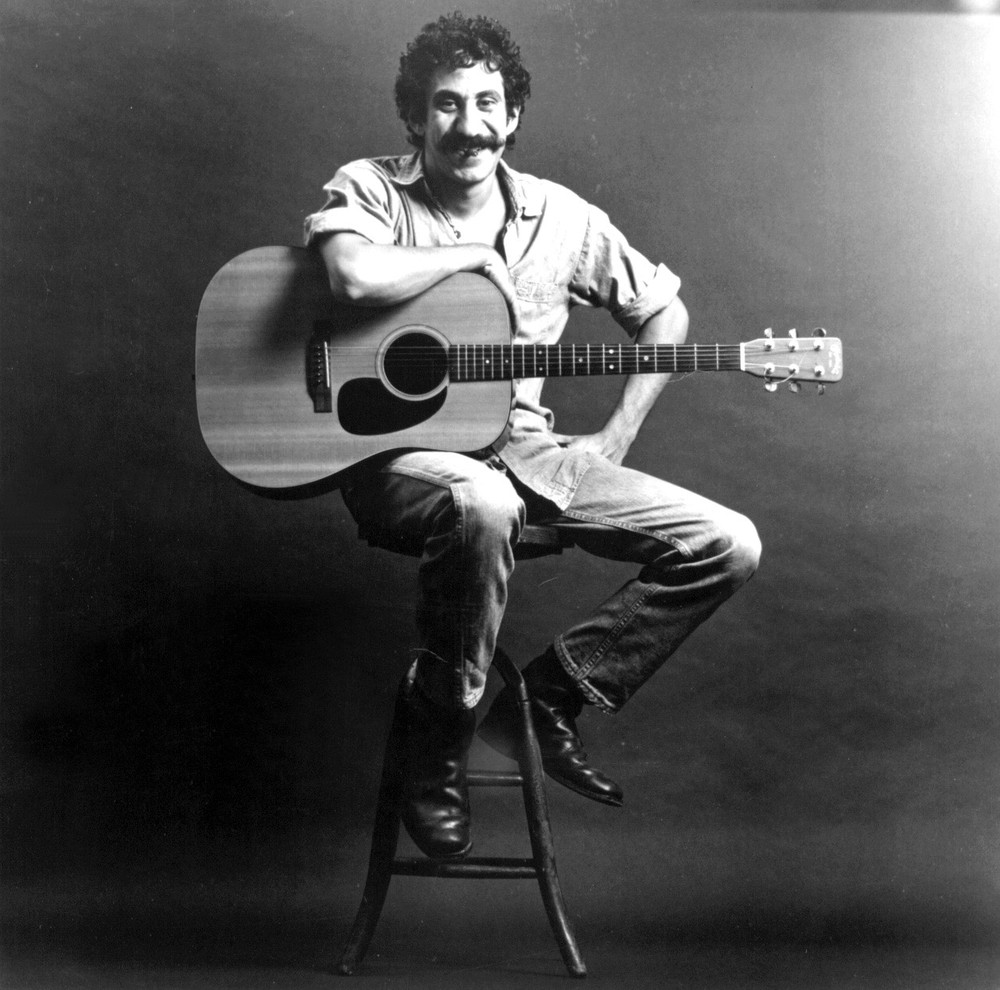
A singer-songwriter is a musician who writes, composes, and performs their own original material, typically accompanying themselves on an instrument—most commonly acoustic guitar or piano. The term denotes both a professional role and an aesthetic tradition that prioritizes personal narrative, lyrical intimacy, and unmediated artistic expression. Unlike performers who interpret songs written by others or bands where songwriting is distributed among members, the singer-songwriter embodies the complete creative process from composition to performance, often working alone or with minimal production.
The singer-songwriter tradition is characterized by confessional or observational lyrics that center individual experience, social commentary, or introspective exploration. The musical arrangements tend toward simplicity, placing the song’s meaning and the artist’s voice at the forefront. This approach emerged as a deliberate counterpoint to the commercial pop music industry’s division of labor between songwriters, arrangers, and performers.
Origins & Lineage
While troubadours, minstrels, and folk musicians have composed and performed their own songs for centuries, the modern singer-songwriter as a recognized category emerged in the early 1960s. The term gained currency during the American folk revival, which drew on the legacies of Woody Guthrie (1912-1967) and Pete Seeger (1919-2014), both of whom wrote and performed topical songs addressing social issues.
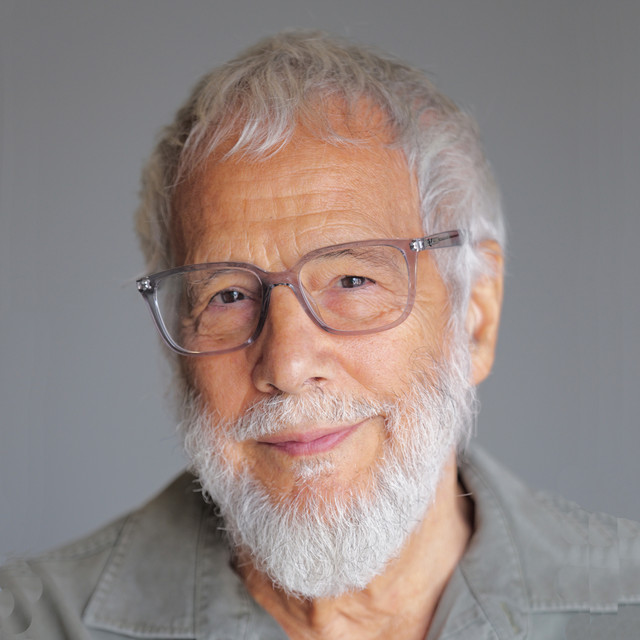
Bob Dylan’s rise to prominence in 1962-1963, particularly with albums like The Freewheelin’ Bob Dylan (1963), established the template for the introspective, poetically ambitious singer-songwriter. Dylan’s shift from traditional folk covers to original compositions that blended personal and political themes created a new archetype. Concurrent developments in Canada (Leonard Cohen, Joni Mitchell) and the United Kingdom (Donovan, Cat Stevens) solidified the genre by the late 1960s.
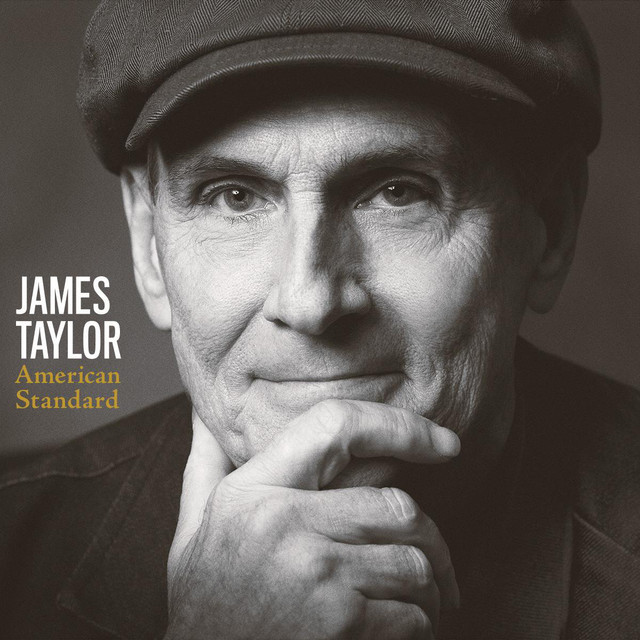
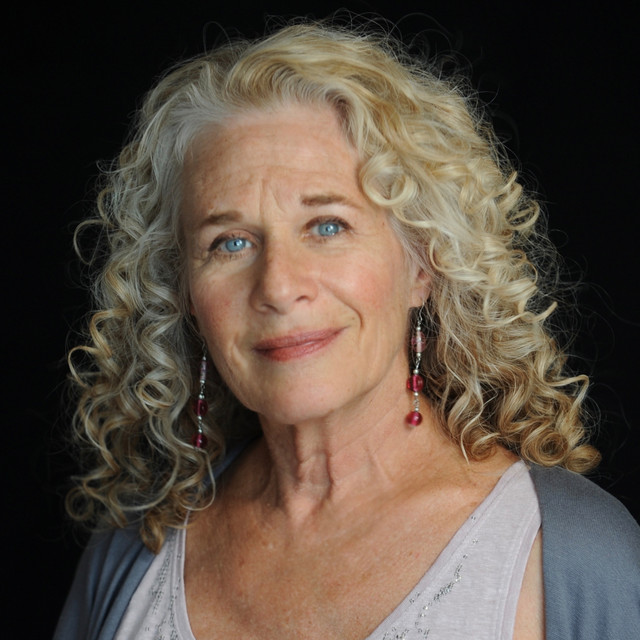
The Laurel Canyon scene in Los Angeles (1968-1974) became a creative epicenter, with artists like James Taylor, Carole King, Jackson Browne, and Joni Mitchell producing confessional work that dominated the early 1970s. King’s Tapestry (1971) became one of the best-selling albums of the era, demonstrating commercial viability for the form. The tradition diversified through artists like Bruce Springsteen (working-class narratives), Tracy Chapman (social justice), and Ani DiFranco (independent feminist punk-folk).
How It’s Practiced
The singer-songwriter practice centers on solo composition, typically beginning with an instrument and lyrical concept developed simultaneously or in close sequence. The writing process is often private and reflective, drawing from personal experience, observation, or imagination. Unlike collaborative band environments, the singer-songwriter retains full creative control over melodic, harmonic, and lyrical choices.
Performances range from intimate solo acoustic sets to full-band arrangements, though the core aesthetic values directness and emotional transparency. Live performances often include storytelling between songs, contextualizing the material and reinforcing the personal connection between artist and audience. Recording approaches vary widely, from sparse home recordings to studio productions, but typically preserve the song’s essential simplicity rather than obscuring it with elaborate arrangements.
The practice requires competence in multiple domains: instrumental technique sufficient for accompaniment, melodic and harmonic composition, lyrical craft, and vocal performance. Many singer-songwriters develop distinctive instrumental styles—alternate tunings, fingerpicking patterns, or idiosyncratic chord voicings—that become signatures of their sound.
Singer Songwriter Today
Contemporary singer-songwriters operate across diverse venues and platforms. Coffeehouse circuits, house concerts, listening rooms, and small clubs remain primary performance spaces, offering the acoustic intimacy suited to the form. Larger artists perform in theaters and festivals, often solo or with minimal accompaniment despite having the resources for full production.
Streaming platforms and social media have transformed the economics and discovery mechanisms. Independent artists can release music without label infrastructure, while platforms like Patreon enable direct fan support. Instagram and TikTok facilitate both promotion and criticism of authenticity, as audiences debate what constitutes genuine artistic expression versus calculated aesthetic.
Contemporary practitioners span genres: Sufjan Stevens (baroque folk), Phoebe Bridgers (indie rock), Jason Isbell (Americana), Bon Iver (experimental folk), and numerous artists blending singer-songwriter sensibilities with electronic production, hip-hop, or R&B. The tradition has proven adaptable while maintaining its core emphasis on personal authorship and lyrical primacy.
In conscious and spiritual communities, singer-songwriters often perform at retreats, yoga studios, festivals like Bhakti Fest or Wanderlust, and intentional gatherings. Artists may blend the confessional singer-songwriter tradition with devotional content, ecological themes, or contemplative practice, creating music intended for reflection, ceremony, or communal experience rather than entertainment alone.
Common Misconceptions
The singer-songwriter is not defined by genre. While strongly associated with folk and acoustic music, the category includes artists working in rock, country, soul, electronic, and hybrid styles. The defining characteristic is authorship and performance by the same individual, not instrumentation or production approach.
Not all singer-songwriters write confessional or autobiographical material. Though personal narrative is common, many write character-driven songs, social commentary, or abstract poetry. The assumption that all songs reflect the artist’s direct experience is often incorrect and can create invasive speculation about private life.
The solo acoustic performance is not the only authentic format. Singer-songwriters who perform with bands, use electronic production, or employ elaborate studio techniques are not compromising the tradition—they are expanding it. The false dichotomy between “pure” solo acoustic work and “produced” music misrepresents the historical range of the category.
Finally, being a singer-songwriter does not guarantee artistic quality or depth. The democratization of recording and distribution means the category includes both masterful craftspeople and beginners. The term describes a role and approach, not a level of achievement.
How to Begin
For aspiring singer-songwriters, begin with basic instrumental competence on guitar or piano—sufficient to accompany yourself, not virtuosity. Focus on learning chord progressions and song structures by learning 20-30 songs you admire, observing how verses, choruses, and bridges function.
Start writing by setting modest goals: complete short songs without judgment. Study lyricists you admire, reading lyrics as text separate from music. Joni Mitchell’s early work, Leonard Cohen’s Songs of Leonard Cohen (1967), and Bob Dylan’s lyrics offer different approaches to craft.
Perform for small, supportive audiences—open mics, gatherings of friends—to develop comfort with vulnerability. Record simple voice-and-instrument demos to hear your songs from outside the writing process.
Books like The Craft of Lyric Writing by Sheila Davis or Writing Better Lyrics by Pat Pattison provide structured approaches to craft. Songwriter circles, workshops, and co-writing sessions offer community and feedback. Attending listening-room performances demonstrates how established artists connect with audiences in intimate settings, providing a model beyond stadium spectacle.